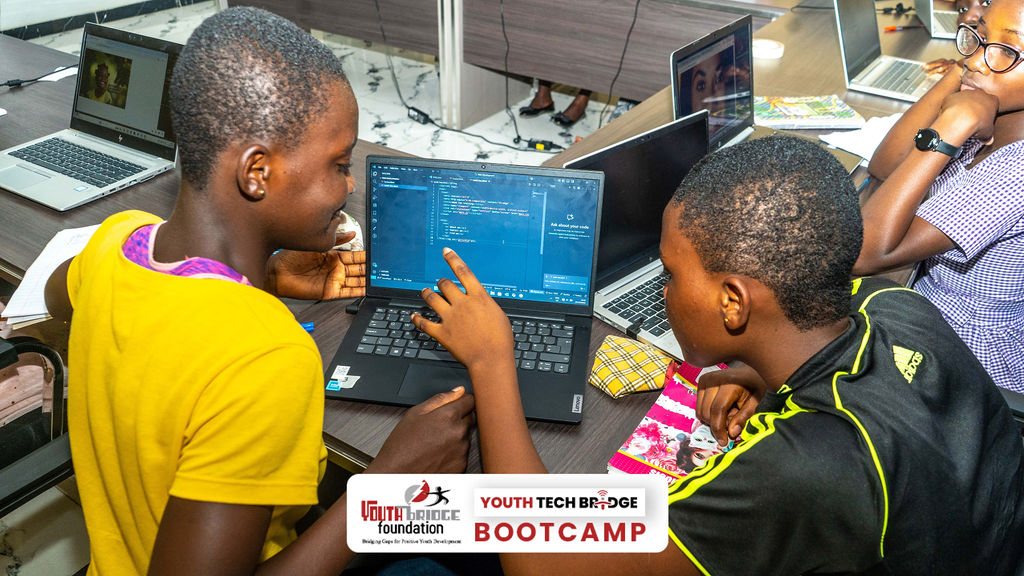
In many less endowed communities across Ghana, talent is everywhere but opportunity is not. For many girls growing up in these communities, access to quality education is already a challenge. When it comes to digital literacy, the gap becomes even wider.
Yet we are living in a world where digital skills are no longer optional. From education and healthcare to entrepreneurship and employment, technology shapes almost every opportunity available to young people today. If girls in underserved communities are left out of this digital revolution, the cycle of inequality only deepens.
Digital literacy is more than knowing how to use a smartphone or browse social media. It involves being able to use computers confidently, access and evaluate information online, create digital content, and understand online safety and cybersecurity. It also includes building technical skills that can lead directly to employment and entrepreneurship opportunities.
For girls in less endowed communities, these skills can be life-changing. Digital literacy opens doors to remote work, scholarships, online learning platforms, and tech-driven careers. It gives them a voice, a platform, and the confidence to participate in the global digital economy.
Unfortunately, many girls face barriers such as limited access to devices, poor internet connectivity, financial constraints, and social norms that discourage them from pursuing careers in technology. Without intentional intervention, these barriers continue to limit their potential.
This is why initiatives like the Web Development and Cybersecurity Bootcamp organized last year by Youth Bridge Foundation are so important.
The bootcamp was not just a training program; it was an opportunity for transformation. It introduced young people, including girls from underserved communities, to practical skills in web development and cybersecurity. Participants learned how websites are built, how digital systems are protected, and how technology can be used to solve real-world problems in their communities.
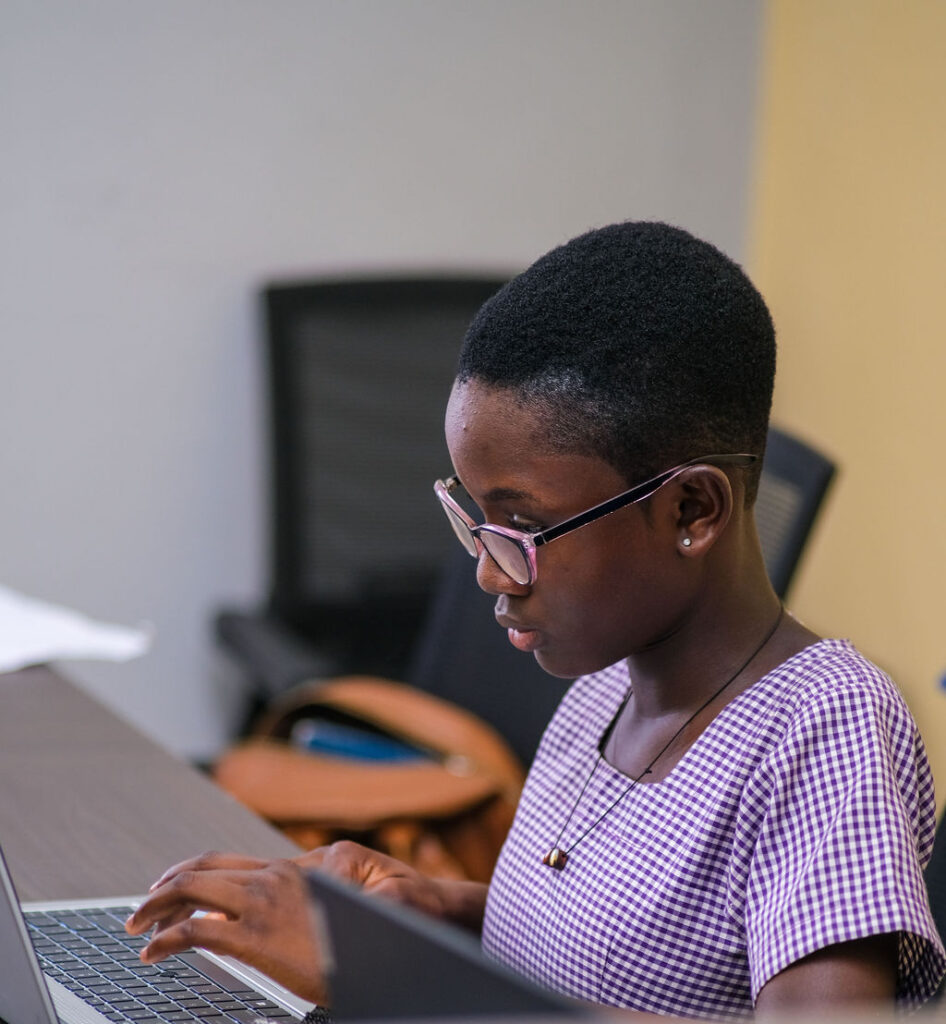
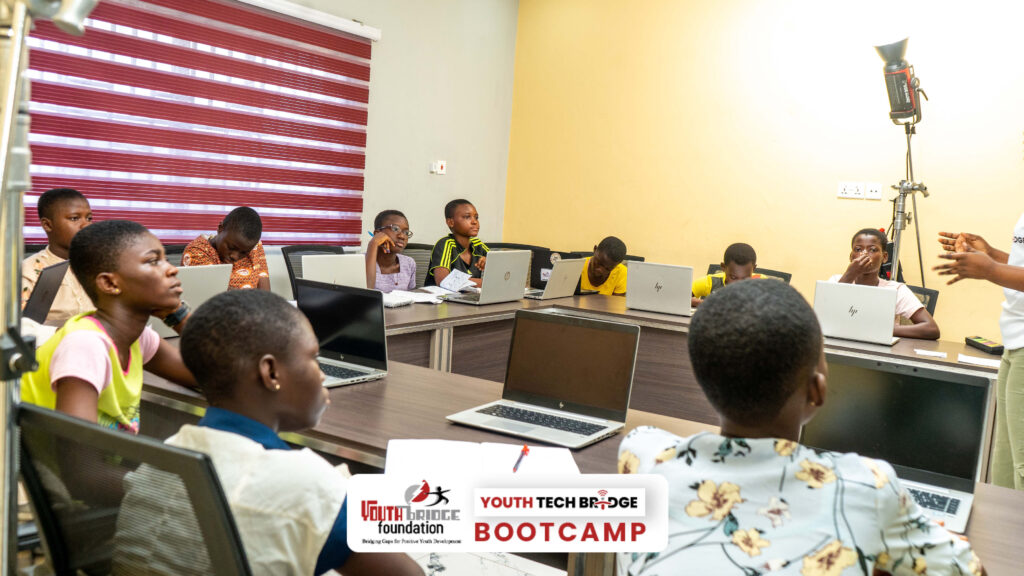
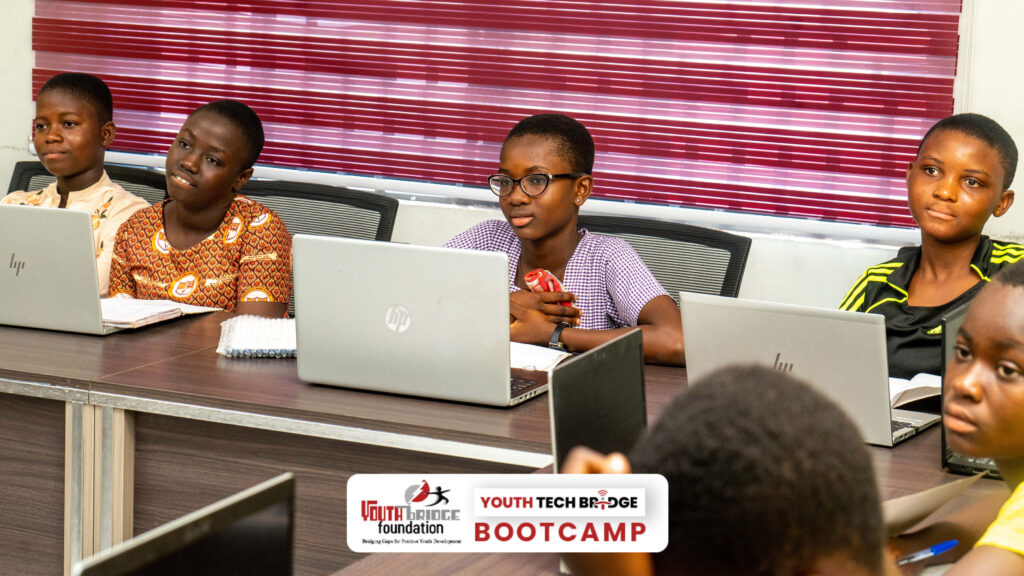
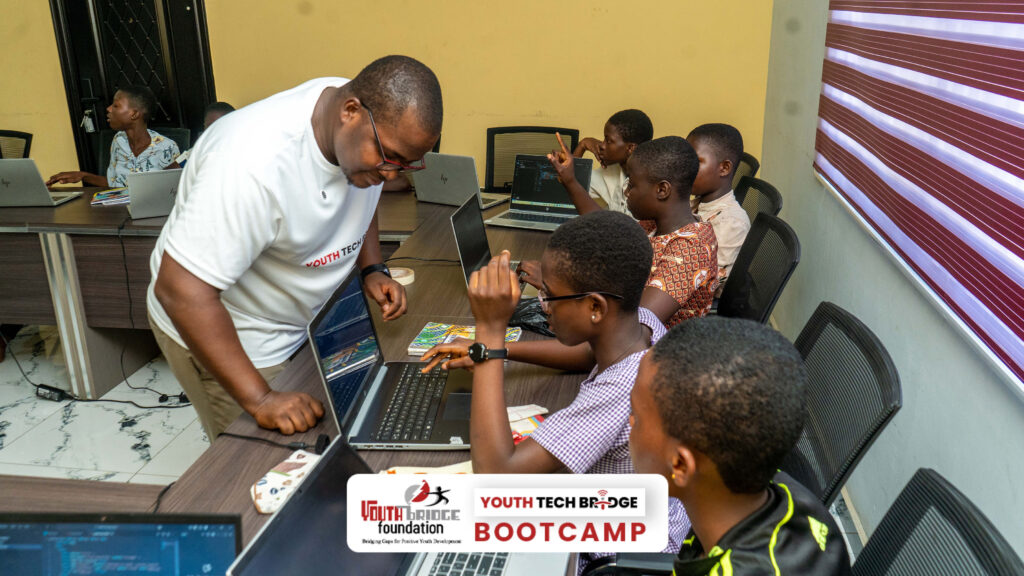
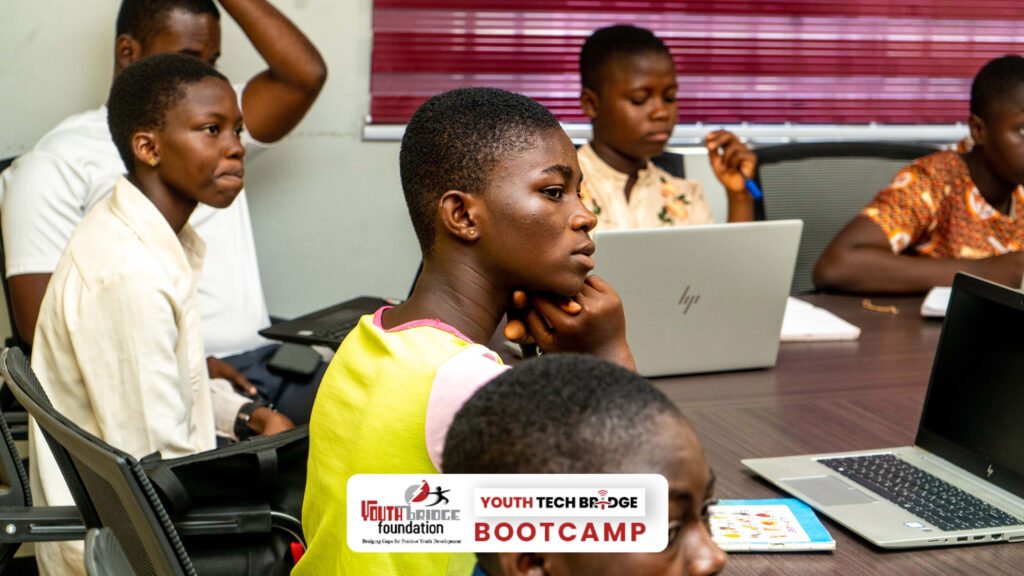
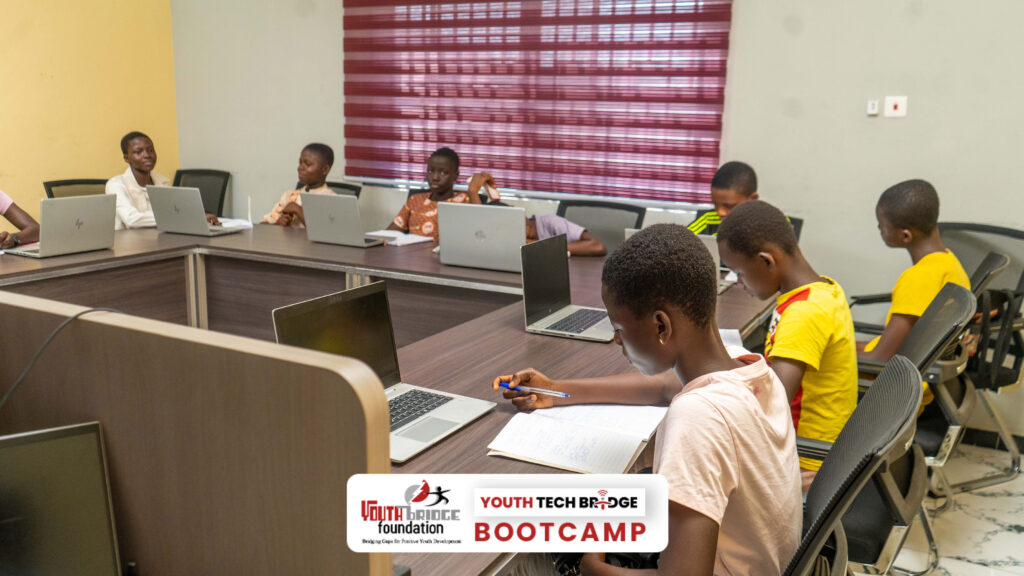
For many of the girls who participated, it was their first time working hands-on with coding tools and learning cybersecurity concepts. It created a safe and encouraging space where they could ask questions, build projects, and begin to see themselves as creators of technology rather than just consumers.
Programs like this build confidence in young girls who are interested in technology, expose them to career paths they may not have previously considered, provide mentorship and guidance, reduce the gender gap in STEM fields, and equip them with practical, employable skills for the future.
Ghana has a vibrant and growing tech ecosystem. However, for this growth to be inclusive and sustainable, girls from less endowed communities must not be left behind.
Investing in digital literacy for girls is not an act of charity; it is a strategic investment in national development. When girls are equipped with digital skills, they are better positioned to contribute meaningfully to their communities, support their families, and strengthen the country’s economy. They can become innovators, entrepreneurs, web developers, and cybersecurity professionals who help shape Ghana’s digital future.
The work started by the Youth Bridge Foundation through the Web Development and Cybersecurity Bootcamp is a step in the right direction, but there is still more to be done. More partnerships, more funding, deeper community engagement, and intentional support systems are needed to ensure that more girls benefit from such opportunities.
Empowering girls in less endowed communities with digital skills is one of the most impactful investments we can make today. It is about access, equity, and unlocking potential. When we give a girl access to digital literacy, we are not just teaching her how to code or protect systems; we are giving her the tools to build her own future—and that future has room for her brilliance.